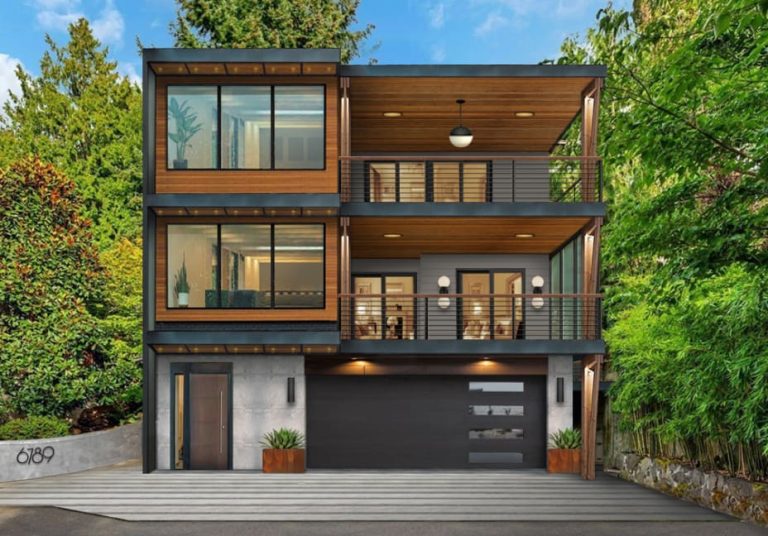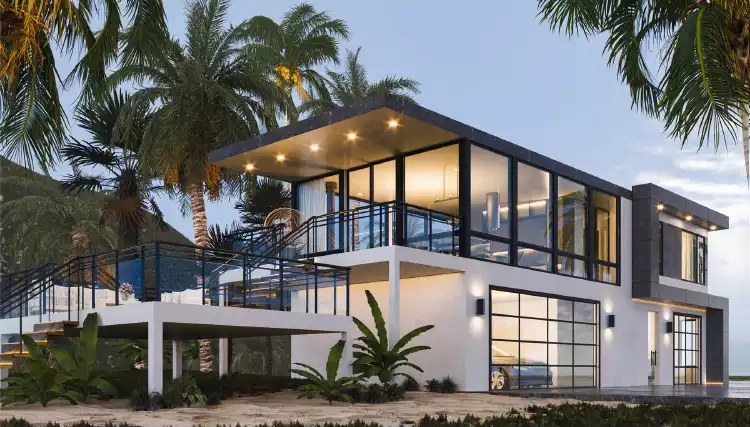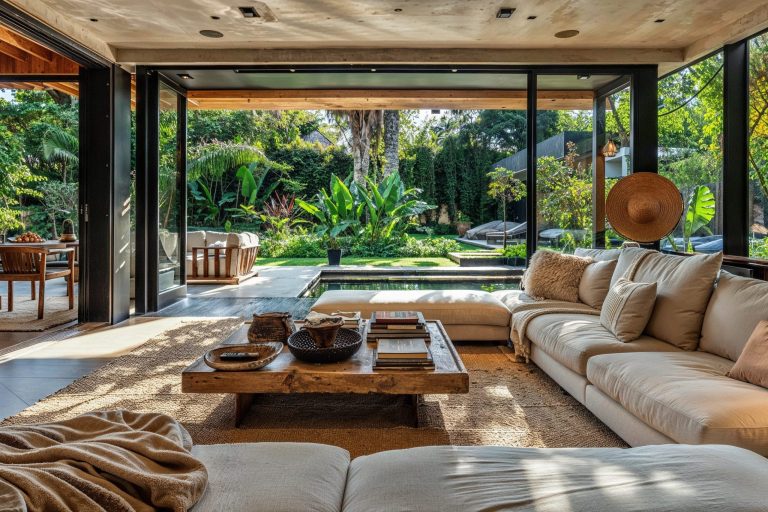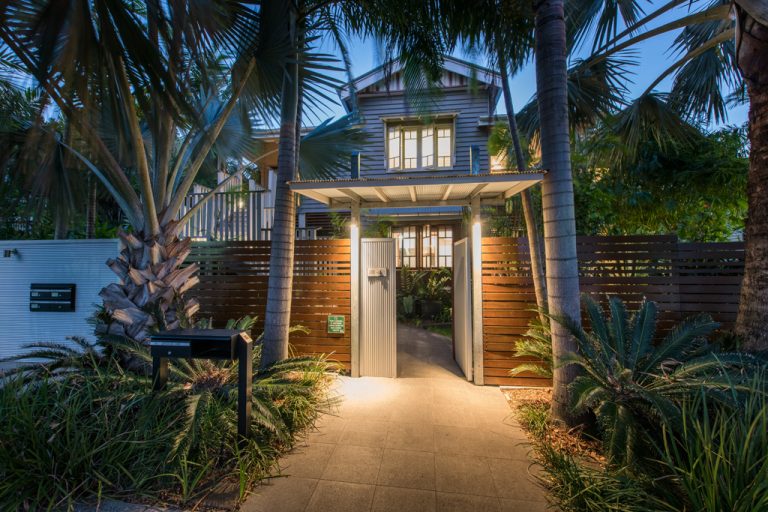
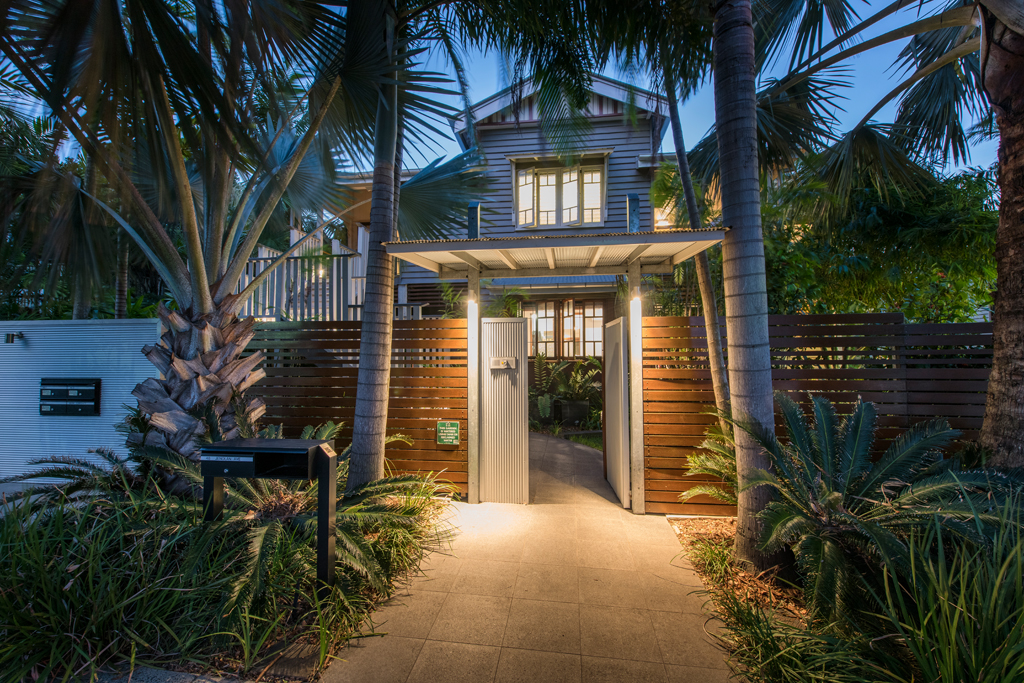
Sustainability has become one of the defining architectural priorities of the twenty first century. Rapid urbanization, environmental degradation, and rising energy demands have compelled designers, architects, and homeowners to reconsider the traditional model of residential construction. The concept of the eco friendly modern house has emerged as a compelling solution—one that merges environmental responsibility with contemporary design elegance.
A sustainable home is not merely a building constructed with recycled materials. It is an integrated system that conserves energy, reduces waste, maximizes natural resources, and promotes healthier living conditions. Through intelligent design strategies and technological innovation, the eco friendly modern house represents a new paradigm for residential architecture—one where beauty, efficiency, and environmental consciousness coexist harmoniously.
The Philosophy Behind Sustainable Residential Design
At the heart of the eco friendly modern house lies a philosophy that prioritizes long term environmental balance over short term convenience. Traditional building methods often consume excessive energy and generate substantial waste. Sustainable architecture seeks to reverse this pattern by adopting responsible design principles.
These homes emphasize resource efficiency, natural integration, and durable materials that minimize ecological impact. Every component—from foundation to roof—plays a role in reducing the environmental footprint.
Short decisions matter. Long strategies matter even more.
When sustainability becomes a guiding principle rather than an afterthought, homes evolve into ecosystems that support both human comfort and environmental preservation.
Passive Solar Design
One of the most effective strategies in eco friendly modern house architecture is passive solar design. This technique harnesses natural sunlight to regulate interior temperature and reduce reliance on mechanical heating systems.
South facing windows allow winter sunlight to warm interior spaces naturally. Overhangs or shading devices prevent excessive heat during summer months. Thermal mass materials such as stone or concrete absorb and gradually release heat, stabilizing indoor temperatures.
These subtle architectural adjustments significantly decrease energy consumption while enhancing comfort throughout the year.
Energy Efficient Insulation
A sustainable home begins with a well insulated envelope. Walls, roofs, and floors must prevent unwanted heat transfer to maintain stable indoor temperatures.
The eco friendly modern house often incorporates advanced insulation materials such as cellulose fiber, recycled denim insulation, or high performance foam panels. These materials improve thermal efficiency while minimizing environmental impact.
Proper insulation reduces the need for heating and cooling systems. As a result, homeowners enjoy lower energy bills and a smaller carbon footprint.
Solar Power Integration
Renewable energy technologies have become central components of sustainable housing. Solar panels, in particular, provide a reliable method of generating clean electricity.
A thoughtfully designed eco friendly modern house frequently incorporates photovoltaic panels on rooftops or integrated solar shingles that blend seamlessly with the architecture.
These systems convert sunlight into electricity, powering lighting, appliances, and climate control systems without reliance on fossil fuels.
Over time, solar energy systems can dramatically reduce household energy expenses while contributing to global sustainability efforts.
Sustainable Building Materials
Material selection plays a decisive role in the ecological performance of a home. Sustainable construction prioritizes renewable, recycled, or responsibly sourced materials.
Within the eco friendly modern house, architects often utilize bamboo flooring, reclaimed wood beams, recycled steel, and natural stone. These materials reduce environmental impact while providing exceptional durability and aesthetic character.
Unlike synthetic materials that degrade rapidly, natural surfaces age gracefully and maintain their structural integrity for decades.
Sustainability and longevity often go hand in hand.
Rainwater Harvesting Systems
Water conservation represents another critical dimension of sustainable architecture. Rainwater harvesting systems collect precipitation from rooftops and store it for household use.
An eco friendly modern house may integrate storage tanks connected to filtration systems, allowing harvested rainwater to supply irrigation systems, toilets, and outdoor cleaning activities.
This practice reduces dependence on municipal water supplies and promotes responsible water management.
In regions prone to drought, rainwater harvesting can become an invaluable resource.
Natural Ventilation Strategies
Mechanical air conditioning consumes significant energy. Sustainable homes address this challenge through intelligent ventilation design.
The eco friendly modern house frequently incorporates cross ventilation systems created by strategically positioned windows and ventilation openings. These architectural features allow fresh air to circulate naturally throughout interior spaces.
Warm air rises and escapes through upper vents, drawing cooler air through lower openings. This continuous airflow maintains comfortable indoor temperatures while reducing the need for electric cooling systems.
Natural ventilation also improves indoor air quality, promoting healthier living conditions.
Green Roofs And Living Walls
Urban environments often suffer from limited green space. Green roofs and vertical gardens offer innovative solutions for integrating vegetation into residential architecture.
A eco friendly modern house may feature rooftop gardens covered with plants that provide natural insulation and reduce stormwater runoff. Living walls installed along exterior surfaces introduce greenery while improving air quality.
These botanical elements not only contribute to environmental sustainability but also create visually striking architectural features.
Nature becomes part of the structure itself.
Smart Energy Management Systems
Technological innovation plays an important role in sustainable living. Smart home systems allow residents to monitor and optimize energy usage in real time.
Within the eco friendly modern house, intelligent sensors automatically adjust lighting, heating, and cooling based on occupancy and environmental conditions.
For example, lights turn off when rooms are unoccupied. Climate systems adjust temperature settings according to weather forecasts.
These automated adjustments reduce unnecessary energy consumption while maintaining comfort.
Efficiency becomes effortless.
Sustainable Landscaping
The ecological impact of a home extends beyond its walls. Landscaping choices can significantly influence water usage, biodiversity, and microclimate conditions.
The eco friendly modern house often incorporates native plants that require minimal irrigation and maintenance. Drought resistant vegetation conserves water while supporting local ecosystems.
Permeable paving materials allow rainwater to filter naturally into the soil rather than contributing to urban runoff.
Through thoughtful landscaping, homeowners create outdoor environments that complement the sustainability of the house itself.
High Efficiency Appliances
Household appliances account for a significant portion of residential energy consumption. Sustainable homes therefore prioritize high efficiency models designed to minimize electricity and water usage.
Within the eco friendly modern house, appliances such as refrigerators, washing machines, and dishwashers are selected based on energy performance ratings.
These devices use advanced engineering to deliver the same functionality with substantially reduced resource consumption.
Small improvements across multiple appliances accumulate into substantial environmental benefits.
Daylighting Design
Artificial lighting represents another major source of energy consumption. Sustainable architecture addresses this challenge by maximizing natural daylight.
Large windows, skylights, and reflective surfaces are common features in the eco friendly modern house. These design elements distribute sunlight evenly throughout interior spaces.
Daylighting reduces reliance on electric lighting during daytime hours while creating brighter, more pleasant environments for residents.
Natural light enhances mood, productivity, and visual comfort.
Flexible And Long Lasting Design
True sustainability extends beyond environmental performance. It also involves designing homes that remain functional and adaptable for decades.
The eco friendly modern house often incorporates flexible floor plans that can evolve as family needs change. Multipurpose spaces reduce the need for future renovations, minimizing construction waste.
Durable materials further extend the lifespan of the building, reducing the frequency of costly replacements.
Longevity is a cornerstone of responsible architecture.
Healthier Indoor Environments
Sustainable homes also prioritize human health. Conventional building materials sometimes release harmful chemical compounds known as volatile organic compounds.
The eco friendly modern house avoids these substances by using low emission paints, natural finishes, and environmentally safe adhesives.
Improved ventilation systems ensure consistent air circulation, reducing indoor pollutants and allergens.
As a result, residents experience cleaner air and improved overall well being.
The Future Of Sustainable Living
The growing popularity of the eco friendly modern house reflects a broader shift in societal values. Homeowners increasingly recognize that residential architecture plays a critical role in addressing global environmental challenges.
Sustainable design demonstrates that ecological responsibility does not require sacrificing beauty or comfort. On the contrary, environmentally conscious homes often achieve greater aesthetic harmony and functional efficiency than traditional houses.
Through renewable energy systems, responsible materials, and intelligent design strategies, modern homes can significantly reduce their environmental impact while enhancing quality of life.
Sustainability is no longer a niche concept. It is becoming the foundation of responsible architecture.
The eco friendly modern house therefore represents more than a trend. It symbolizes a long term commitment to thoughtful living—one where innovation, design, and environmental stewardship converge to shape the future of residential architecture.
About the Author