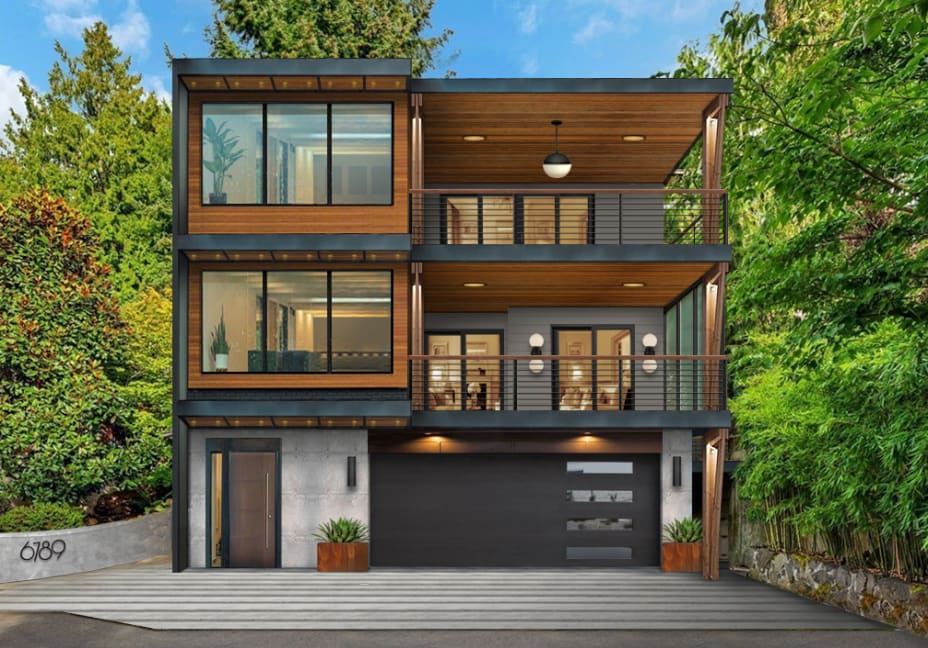
Residential architecture has undergone a profound transformation over the past few decades. As urban populations grow and lifestyles evolve, homeowners increasingly seek environments that balance functionality with aesthetic sophistication. The essence of modern house design lies in its ability to combine spatial efficiency, architectural clarity, and understated elegance. These homes are not merely visually appealing structures; they are carefully composed living environments that support comfort, creativity, and emotional well being.
Unlike traditional housing models that often rely on compartmentalized spaces and ornamental decoration, contemporary residences emphasize openness, natural light, and structural simplicity. Through intelligent planning and innovative materials, modern house design creates homes that feel both expansive and refined regardless of their physical size.
The Philosophy Behind Modern Residential Design
At its core, modern house design is guided by a philosophy of intentional simplicity. Every structural element, material choice, and spatial arrangement serves a clear purpose. Excess decoration is minimized. Instead, beauty emerges from proportion, texture, and thoughtful architectural composition.
This design approach recognizes that the experience of space matters as much as the appearance of space. A well designed home should feel calm and balanced. It should allow occupants to move effortlessly from one area to another while maintaining visual continuity.
Short sightlines create intrigue. Long sightlines create openness. Both play important roles in contemporary architectural planning.
Open Floor Plans That Expand Perception
One of the most recognizable features of modern house design is the open floor plan. By removing unnecessary interior walls, architects create fluid living environments where spaces interact organically.
Living rooms blend seamlessly with dining areas. Kitchens become central social hubs rather than isolated work zones. The result is an interior landscape that encourages communication and shared experiences.
This openness also enhances spatial perception. Even modest homes appear larger when visual barriers are minimized. The eye travels freely across the room, creating a sense of continuity and expansiveness.
Natural Light As A Design Element
Light is perhaps the most powerful architectural tool available to designers. Within modern house design, natural light is treated as a fundamental component rather than a secondary consideration.
Large windows, sliding glass doors, and skylights invite daylight deep into interior spaces. Sunlight shifts throughout the day, altering the atmosphere of rooms in subtle yet beautiful ways.
Morning light introduces clarity and freshness. Afternoon light produces warm tones and elongated shadows. Evening light creates dramatic contrasts.
This dynamic interaction between light and architecture contributes significantly to the sense of elegance within modern homes.
High Ceilings And Vertical Volume
Height is another crucial factor in creating spacious environments. Modern house design frequently incorporates elevated ceilings or double height living areas to enhance vertical volume.
When ceilings rise above conventional levels, the entire room gains visual breathing space. Walls appear taller, windows become more dramatic, and the overall atmosphere feels grander.
Architectural elements such as exposed beams or floating staircases further emphasize verticality. These details transform simple rooms into visually compelling spaces.
The Power Of Minimalism
Minimalism plays a central role in contemporary architecture. However, the minimalism associated with modern house design is not synonymous with emptiness. Rather, it focuses on reducing visual noise so that important elements can stand out.
Clean surfaces, streamlined furniture, and restrained color palettes allow architectural features to command attention. The absence of excessive ornamentation promotes calmness and clarity.
This aesthetic restraint produces interiors that feel organized and sophisticated without appearing cold or impersonal.
Neutral Color Palettes For Visual Harmony
Color significantly influences how spacious a room appears. Modern interiors often rely on neutral palettes composed of shades such as soft white, warm beige, pale gray, and muted taupe.
These tones reflect light effectively, amplifying the brightness created by large windows. Within modern house design, neutral colors serve as a subtle canvas upon which textures and materials become the focal points.
Accent colors may appear in artwork, textiles, or decorative objects. However, the overall visual language remains balanced and harmonious.
Seamless Indoor And Outdoor Connections
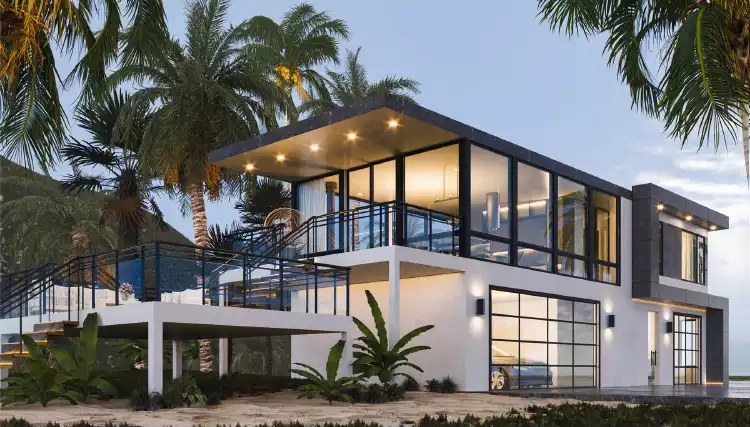
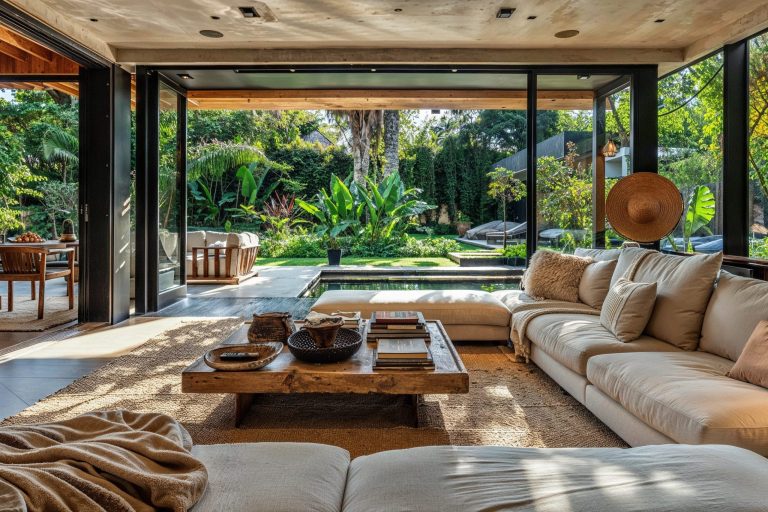
Contemporary homes increasingly dissolve the boundary between interior and exterior environments. Sliding glass walls and expansive terraces allow residents to experience nature without leaving the comfort of their home.
This integration is a defining characteristic of modern house design. Outdoor living areas often include comfortable seating, dining spaces, and landscaped gardens that mirror the aesthetic language of the interior.
The visual continuity between indoor and outdoor spaces expands the perceived size of the home while enhancing relaxation and lifestyle flexibility.
Intelligent Use Of Materials
Material selection contributes profoundly to both elegance and spatial perception. Within modern house design, architects frequently combine natural materials such as wood, stone, glass, and metal.
These materials introduce subtle contrasts that enrich the visual experience. Smooth marble surfaces interact with textured timber panels. Matte concrete walls complement polished metal fixtures.
Such combinations create depth without overwhelming the minimalist philosophy of the design.
Strategic Lighting Design
Artificial lighting plays an essential supporting role in modern interiors. Thoughtfully placed lighting fixtures ensure that spaces remain visually engaging even after sunset.
Recessed ceiling lights provide ambient illumination without distracting from architectural forms. Pendant fixtures introduce sculptural beauty above dining tables or kitchen islands.
Accent lighting highlights artwork, textured walls, or architectural niches.
Within modern house design, lighting functions as both a practical necessity and an artistic instrument.
Multifunctional Living Areas
Modern lifestyles require flexibility. Homes must accommodate work, leisure, and social interaction within the same environment.
Consequently, modern house design often incorporates multifunctional spaces that adapt to different needs throughout the day. A dining table may serve as a workspace during the afternoon. A living room may transform into a casual entertainment area during the evening.
This adaptability enhances the practical value of the home while maintaining aesthetic coherence.
Built In Storage Solutions
Clutter disrupts visual harmony. Contemporary homes address this issue through carefully integrated storage systems.
Built in cabinetry, concealed shelves, and hidden compartments allow homeowners to maintain tidy environments without sacrificing convenience.
Efficient storage is a crucial aspect of modern house design, ensuring that interior spaces remain open and organized.
Statement Architectural Features
While minimalism reduces unnecessary decoration, modern homes often incorporate bold architectural elements that capture attention.
Floating staircases, sculptural fireplaces, and dramatic window walls provide focal points that anchor the interior composition.
These features illustrate how modern house design balances simplicity with visual intrigue.
A single well designed element can define the character of an entire room.
Emotional Impact Of Spacious Design
Spacious environments influence psychological well being in subtle yet powerful ways. Rooms that feel open and uncluttered encourage relaxation and creativity.
Within modern house design, spatial clarity reduces sensory overload. Residents experience a sense of calm that contrasts sharply with the chaos of crowded urban environments.
This emotional benefit is one reason contemporary architecture continues to emphasize openness and simplicity.
The Future Of Elegant Living
As technology advances and environmental awareness grows, modern house design will continue evolving. Future homes are likely to incorporate even more sustainable materials, intelligent automation systems, and adaptable living spaces.
Yet the fundamental principles of modern architecture will remain constant. Clean lines, thoughtful spatial planning, and harmonious materials will continue defining elegant residential environments.
Homes designed with these principles offer more than visual appeal. They enhance everyday life by creating spaces that feel comfortable, inspiring, and timeless.
Ultimately, the beauty of modern house design lies in its ability to transform ordinary living into an experience of calm sophistication and spacious elegance.
About the Author